We know something is going right when we have too many outstanding essayists to announce all at once! The Essays on Childhood project is pleased to introduce you to the first 6 of 11 writers for 2011.
The entire collective is multi-talented, courageous, and impressive. We hope you will spend some time “getting to know” these fine people and anticipating the pleasure of reading their essays. As editor, I have read some early drafts and can promise you an experience with these stories and reflections that will open your eyes and stir your heart with new ways of thinking about childhood experience.
Anne Clinard Barnhill
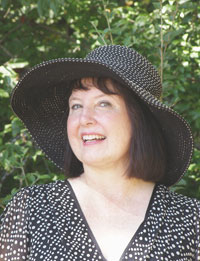 Anne Clinard Barnhill grew up in West Virginia and graduated from Alderson-Broaddus College in Philippi. Her debut novel, AT THE MERCY OF THE QUEEN, is forthcoming from St. Martin’s Press in 2012. She is also author of AT HOME IN THE LAND OF OZ: Autism, My Sister and Me, a memoir about growing up in West Virginia in a time before anyone had heard the word ‘autism’. WHAT YOU LONG FOR is a short story collection published in 2009 that also contains stories set in the mountains. Books are available from Amazon, www.jkp.com, www.mainstreetrag.com or, if you’d like a signed copy, from the author directly at acbarnhill@yahoo.com. Anne’s essay will examine issues of racial and ethnic prejudice towards the Melungeon population; Melungeons represent a “tri-racial isolate group” mainly in the Cumberland Gap area of Central Appalachia.
Helen Adelia Slaughter Basham
 Helen was born in Dunbar, West Virginia, on April 26, 1928. She laughs at newspaperman Jim Dent’s description of “a fate worse than Dunbar.” Her elementary through high school education all took place in a single block and only three blocks away from her home. After Helen worked a year in an office in Charleston, “hating every minute,” her youngest brother came out of the Navy with an engineering degree and helped send Helen to West Virginia University, where she majored in social work. From 1950 until 1966, Helen worked in several states (sometimes part-time during child rearing years) as a social worker or as an administrator of programs for children and families. She describes her five children as the most important people in her life — sustaining, inspiring, and sheltering her with their love. After retirement, Helen returned to live in a little house decorated with sage siding and purple shutters and doors, just down the street from the big box of a house where she was born. Unbeknownst to her at the time, Helen’s 50 year old son died the day before she wrote her essay which “just poured out” of her. Her essay describes her experiences as a fairy maker artist and her journey into creative thinking and doing after retirement.
Julian Martin
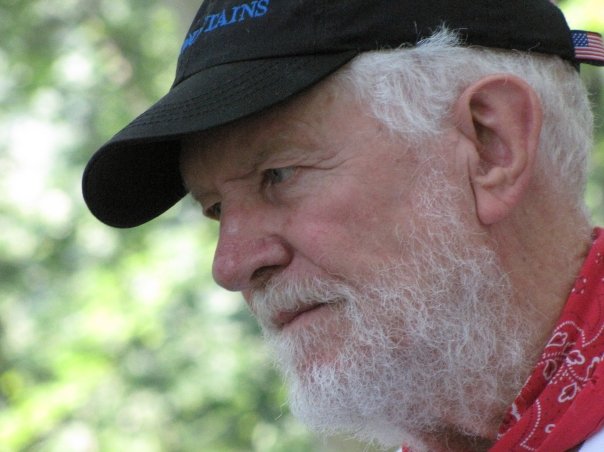
 Julian is the eighth generation of his family born on Big Coal River. He is a graduate of St. Albans High School where he was an all-conference football player. He has a chemical engineering degree from West Virginia University (WVU) and worked two years in the chemical industry. After one month training to make sidewinder missiles he joined the Peace Corps as West Virginia’s first volunteer and taught chemistry and coached the track team at a secondary school in Nigeria. Since that time, he has also worked in urban outreach, organic farming, environmental education, and conservation. He loves his wife and several children, step-children, grandchildren and step grandchildren and two great grandchildren. Julian’s essay is tentatively titled, “Homeplace,” and is a colorful reflection on his growing up experiences on his grandparents’ farm. He admits though, “I called it Grandma’s house and farm ever since Grandpa threw a rake at me.”
Melanie Foster Taylor
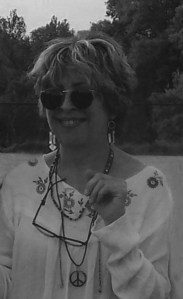 Melanie claims she is “not a real writer’s writer, except for trying it now.” She is a classical pianist, and piano teacher who has been inspired to write her childhood story by her former piano student, Elizabeth Damewood Gaucher. Forced into really early retirement by the economic crash in 2008-9, this former college music professor now has plenty of time to reflect and write. Oh what a blessing. Melanie is presently trapped in South Carolina, but visits the family in Charleston, West Virginia two or three times a year. She breathes anew whenever she sees the mountains again. Her essay, “Going to the Farm,” recounts memories of trips to the jointly-held family vacation farm in Monroe County, West Virginia, from Charleston. Model-T’s, grand pianos, and wildlife ensue.
Jean Hanna Davis
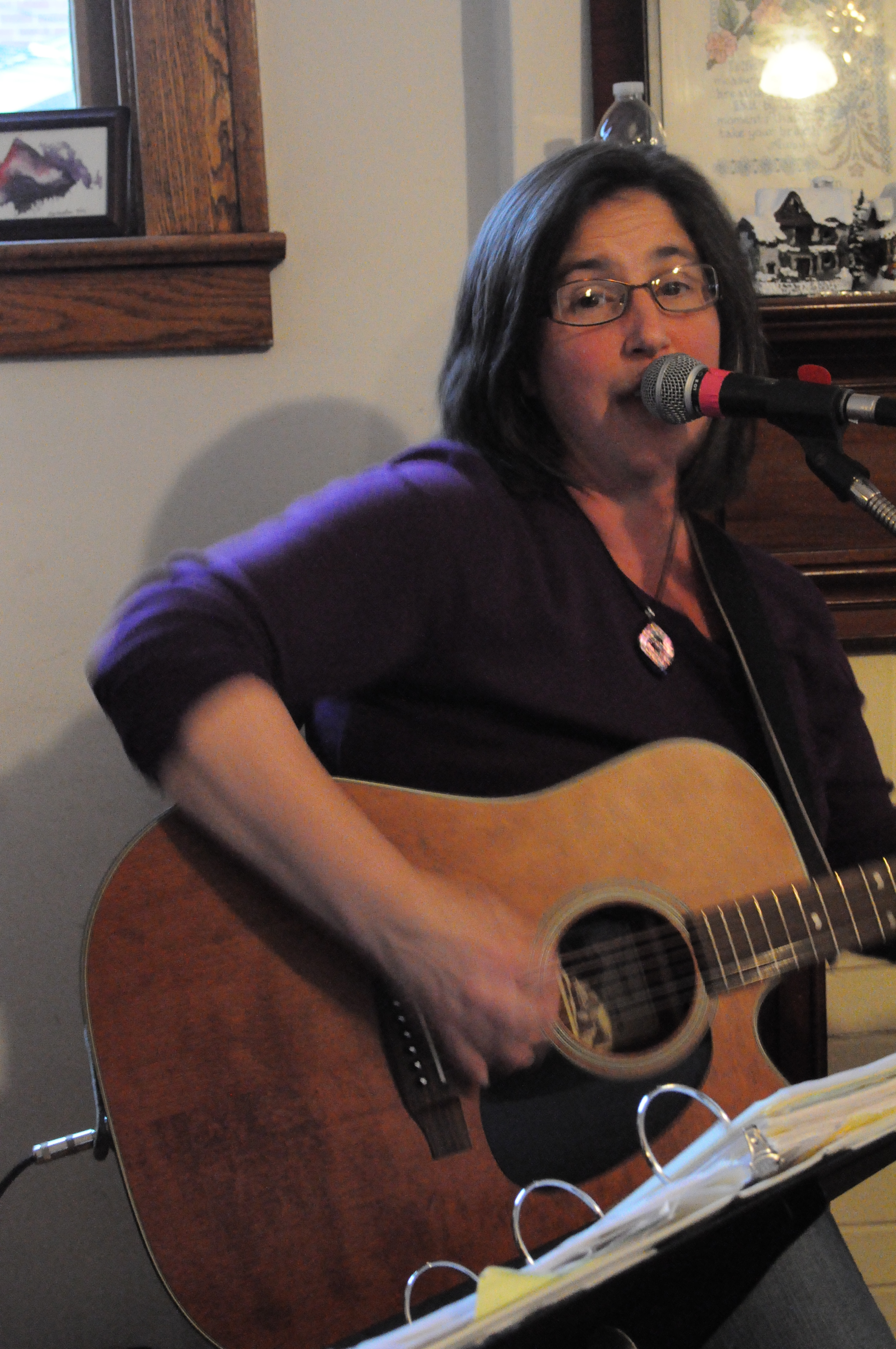
 Jean is an accomplished singer, guitar player, and sometime songwriter. She has been performing since the age of 12, in all settings, ranging from concert halls to bars to churches to festivals. Her family relocated to Charleston, West Virginia from New Jersey when she was 7, and as many times as she has tried to leave, something keeps pulling her back. Jean and her family live in Princeton, West Virginia. Her essay will explore her experience moving to West Virginia from New Jersey during her early years, and some of the places she began to find herself accepted in a strange new land.
Devin McGrew
 Devin was born in Charleston, West Virginia. She was raised in a farm house in a little town called Liberty. At the age of 11, she moved to Sarasota, Florida, with her mother and stepfather. She lived in Florida for 10 years before returning to her hometown in West Virginia. Devin is attending college at American Public University working towards a Bachelor’s Degree in Legal Studies. She currently works in the oil and gas industry as a paralegal. She is a single mother to a beautiful daughter named Lauren. They live in a small town in rural West Virginia with their two dogs, Foxy and Molly. In her essay, Devin plans to explore how her life in Liberty influenced her lifelong passion for shooting guns.
 It was a tremendously valuable exercise, and both easier and more difficult than I anticipated. I received some important responses to my fiction, but the most mind-shifting element was simply to listen and process what other writers told me about my writing. I learned, for example, that my knowing that a character was dead did nothing to change the fact that readers who did not know she was dead felt I was writing her as “disconnected.” Well, yes, because she’s dead…..but that’s a defense. The reader doesn’t know that, he or she just knows a character is not working for them and they are losing interest. I will be maintaining the existing plot but also developing an entirely new approach to the narrator.


 Esse Diem