Everyone knows the film Children of a Lesser god. Maybe what we don’t know is how badly we need this movie to be remade, and soon. When it is, I suggest the filmmaker branch out and replace the beautiful, intelligent, heterosexual and yes, deaf, white woman with a new character. There are many lessers from which to choose.
I didn’t understand the title of this movie in 1986. (Only just now as I write this post am I aware of the 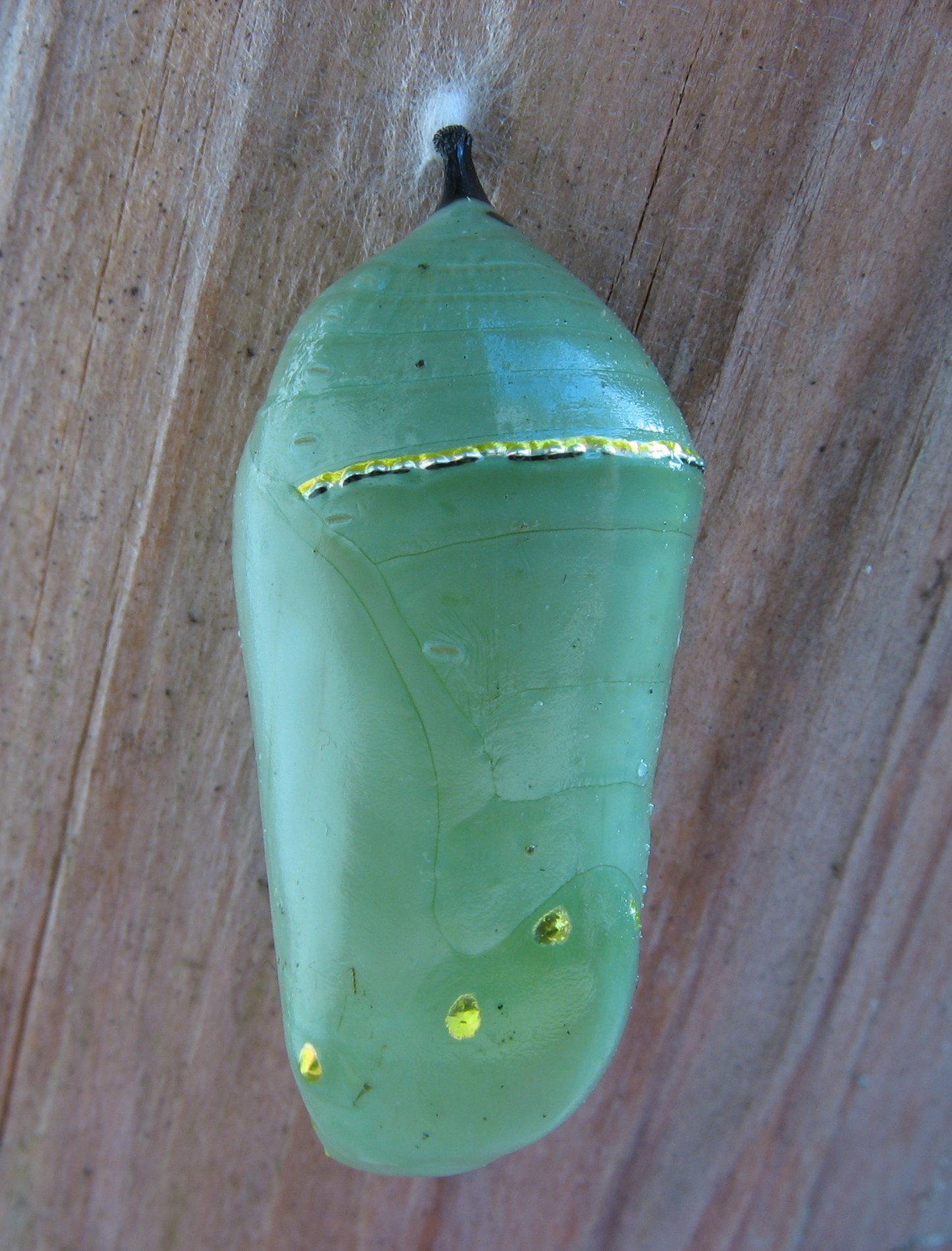 intentional little-g god in the title) I had not even entered college, much less struck out into the world. I still didn’t appreciate that, if not in acknowledged polite conversation, in real practice there are categories of human value. I’ve since come to understand that these very real categories permeate organized society, and they are not just gentle whispers of harmless bias. These categorizations are deeply rooted, and deep enough to nurture a mindset that separates some people from others as the flawed offspring of a higher power that is — well — not the higher power than made people who are made “the right way.”
In the broadest brush strokes, the Greater God says that men are better than women; whites are better than blacks; strong bodies are better than weak; young is better than old; and so on. This week we were reminded that this “God” of categorization says that being heterosexual is better than being homosexual.
When one is in the “right” category, he or she enjoys a pre-paid subscription to a life of privilege. In this life, a protective force field surrounds the person in a cocoon of social safety and opportunity. The cocoon protects so naturally and so well, the person in it rarely even knows it’s there. This oblivion partially explains why someone who fits the profile of a Child of a Greater God becomes confused and even angry when the lessers cry out in pain.
What’s the issue, ask the greaters? Why do you need special attention? We’re all children of God………..
When you are a child of a lesser god, you know it. No reassurances from the cocoon people can help you, because you know they don’t understand, not even a little bit. Even the well-intentioned greaters are clueless about the realities of your life, about the death by a thousand cuts that threaten you every day. The lessers are always on the edge, always.
A young man from Rutgers is dead. He is dead because he had no place to be safe, no refuge, no shelter. When you are not a child of a Greater God, no one rides in on a chariot of fire to save you. Your god is tired, and discouraged, and sometimes even hopeless. On the battlefield of life, you are lucky if your god even shows up.
It is imperative that as a society we do more to understand the subtle and powerful ways we isolate and devalue one another. My movie remake will star a homosexual girl with autism living below the federal poverty level in Appalachia.
Who will yours star?
Photo credit: Backyard Butterfly Garden


 Esse Diem