In 3 days I’ll post my 2022 Advent Ghosts 100-Word story. It probably won’t change your life or be a big deal to anyone but me.
But it’s a big deal for me.
Last year’s was, too.
Last year I wrote about a surreal drive I made to my hometown to try to rescue my father. Note for the rookies: Rescue drives are a bad idea, most of the time. Misguided.
This year, my story is inspired by a Christmas song that has always had a note of fear in it for me, and it was interesting to me to read about the song’s origin.
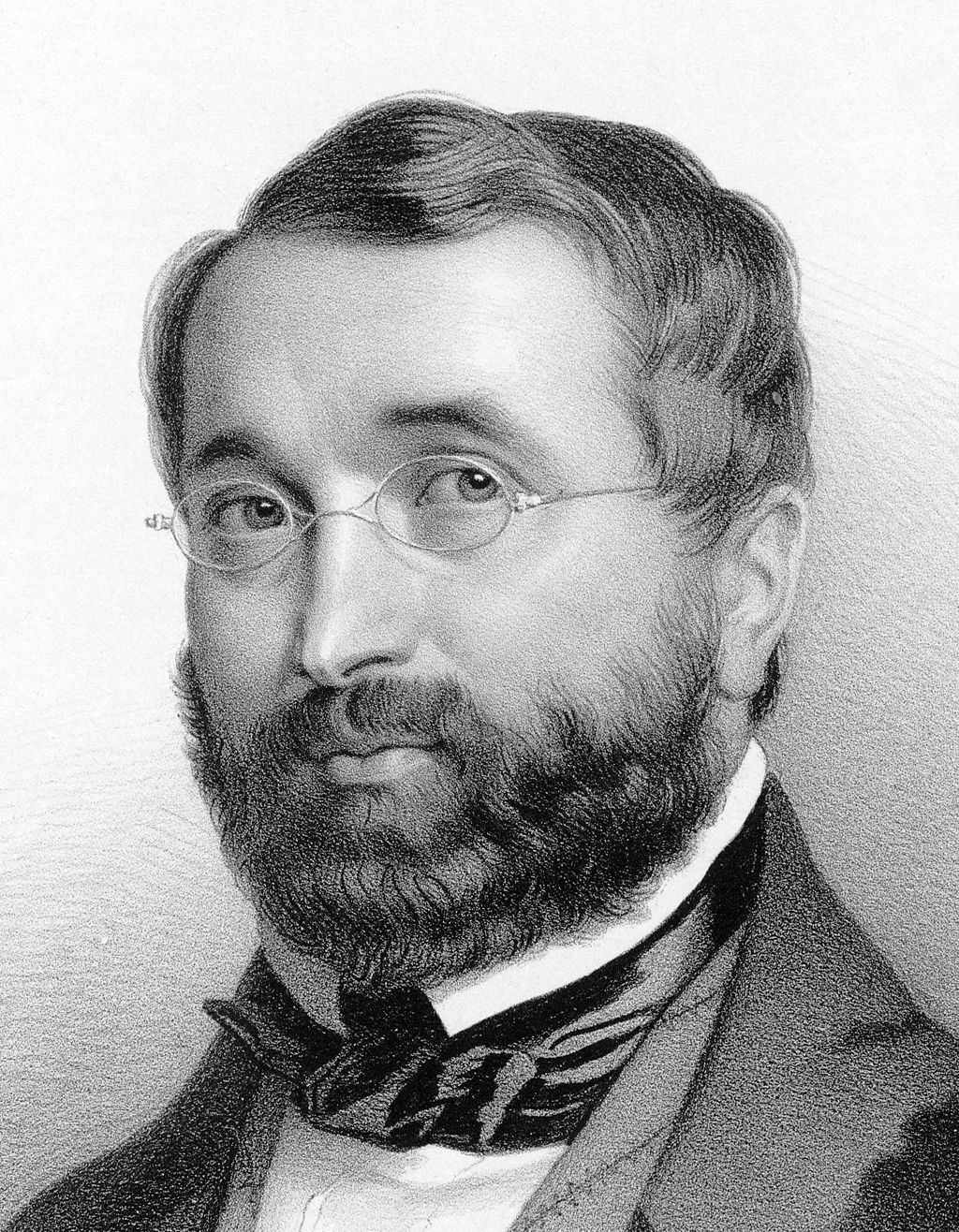
“O Holy Night” (original title: Cantique de Noël) is a well-known Christmas carol. Originally based on a French-language poem by poet Placide Cappeau, written in 1843, with the first line “Minuit, Chrétien, c’est l’heure solennelle” (Midnight, Christian, is the solemn hour) that composer Adolphe Adam set to music in 1847. The English version (with small changes to the initial melody) is by John Sullivan Dwight. The carol reflects on the birth of Jesus as humanity’s redemption.
As a writer myself, I’m ashamed to say that I don’t research song-writing the way I do other forms. But that is going to change.
This is a scary song. I respect that and I feel that every time I hear it or attempt to sing it.
So this will be a ghost story. It will be about fear, But it will also be about faith.
Because as much as this song scares me, because it does, it walks me into hope. I think this is how it goes, a journey of faith and connection to something beyond our understanding and outside of our power. You agree to take another step. You agree to not know. You trust.
You know and I know and the American people know I have no right to this image.
I’ve been trying not to overthink it, and by that I mean I have been doing nothing but think about the Old and New Testament themes of Ozark since Season 1.
Every obsessed fan has their take, and with an incredible show like this, that’s to be expected. Today I read a piece in Men’s HealthI find entirely valid, and yet a bit too sure of itself for my taste. So a blogger’s gonna blog. You’re welcome.
Evan Romano’s analysis is solid. His argument is that the only genuinely fitting ending to this whole sordid affair is that good people die and bad people carry on in their freakishly protective bubble of evil. In this analysis, there is no reward for doing good. It’s a pre-set world, and some will always thrive and others will always wither and expire. It’s a caste system based on the random roll of the dice. It’s the #CursedLangmore worldview, which includes its mirrored reflection of blessed Byrds. For any of us to think there was any reward waiting for Ruth for deliberately choosing to turn her life around, we’ve just been shown how naive we are. We’re so naive that in this analysis we should probably look around us, see where we are and how things are going, and get ready to just ride this all out without effort because we will be fine or we won’t and nothing we do matters. We are all that matters anyway.
It’s Nihilism 101.
But here’s the thing I love about this show. Coming down on that or any particular thing lets your guard down.
And we all know one of the most solid and consistent lessons of Ozark is, never let your guard down. I mean, that was what we all learned, right?
Wrong.
It’s not what I learned, not via Ozark and not via life to date.
One of the comments on the Men’s Health piece is someone kvetching about the “poor writing” of the final episode. Frustration that Ruth would never get out of the car unarmed at the pivotal moment she makes that choice.
And I do think it was a choice. Because I’m a New Testament kind of gal, and that thread has been silently screaming to show itself to me since Season 1.
The New Testament has no significance without the Old, so verily verily let me say unto you again, the Old Testament is real and serious and I think one disregards it at their peril.
However.
I could write a volume on this so let’s cut to the chase.
I am not about to go so far as to draw any direct connection between any Ozark character and Jesus of Nazareth, but it’s crazy not to notice:
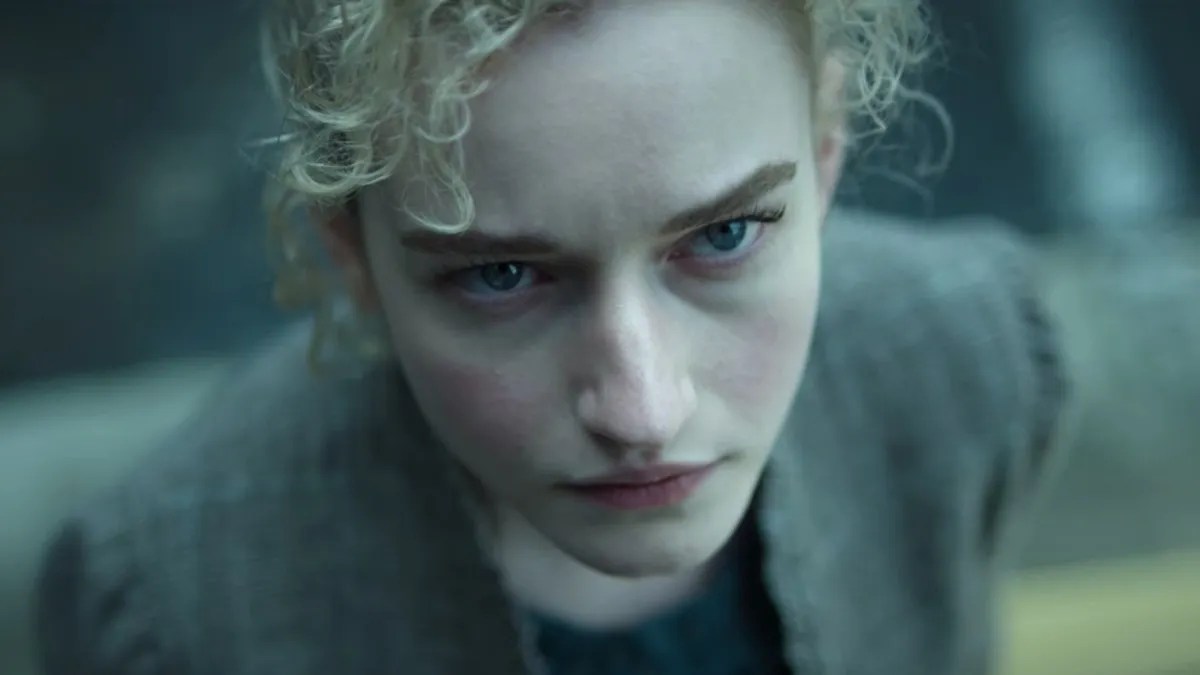
Ruth risks everything for Wyatt, all the time, even after his death. She loved him completely. And out of that love came the decision to pursue a clean record with the courts. I really don’t think it fits that remarkable character (Ruth) to call it HOPE. I think it was what she had to know would be a sacrificial offering to the ghosts of her murdered family members. To the sinners in hell. Those ghosts show up and surround her in her moments alone on the mountain top — er, I mean, trailer — and she sees their salvation. They are resurrected and happy. Wyatt even has on a clean, un-torn garment — I mean flannel shirt.
I think she has a couple of moments of hoping for different outcomes, but that fits the Jesus story, too. I think she knows she’s absolutely going to die for her desire to pursue salvation for her family, and that’s why it’s not inconsistent in the moment that she gets out of the car un-armed.
Her glowing white satin gown and the clean single deadly wound to the heart was a bit much. We get it. But okay. No need to smash us over the head, but I’ll allow it.
As far as Jonah is concerned, that’s its own thing worthy of gobs of words, but it’s good to notice:
That’s an oddly specific Old Testament prophet name to just lay on a character.
If you really attend to the camerawork in the last moments, we know at whom Jonah was pointing the shotgun, but it goes to black and there is a pause before we know he — OR SOMEONE OFF CAMERA — fires a weapon.
Like all of my favorite stories, there are no easy answers here. But I don’t like those stories anyway, do you?
Here’s to Ruth and Wyatt, because I’ve already forgotten the Byrds.
And here’s to a real-life man who said something I truly believe Ozark supports:
The arc of the moral universe is long, but it bends toward justice.
 Esse Diem