This week I’ll be writing a few posts about adolescents and adolescent health. Yesterday’s post got me thinking about this group of people again in ways I haven’t for some time, and I miss working on behalf of those crazy kids.
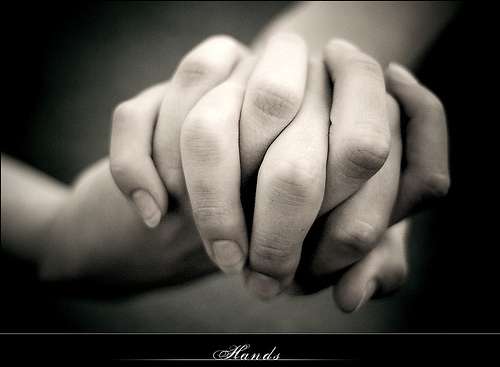 Some people think teenagers are hard to love. In spite of myself, I think they are wonderful. Sure, they can be hard to communicate with at times. They don’t like us grown ups much. They live to test boundaries in ways both exhausting and aggravating. And sometimes they endanger others and themselves. Yet there is just something so charming about their delicate posture on the teeter-totter between childhood and adulthood that melts my heart. Growing up is gut-wrenchingly difficult work, and at no time is that more obvious than the teen years.
It’s too easy to ask questions about why kids are they way they are, as if we adults have nothing to do with it. We have almost everything to do with it. In its publication “Talking Back: What Teens Want Adults to Know About Teen Pregnancy” the National Campaign to Prevent Teen and Unplanned Pregnancy highlights 10 concerns young people have. One of the most powerful is this:
Show us what good, responsible relationships look like. We’re as influenced by what you do as by what you say. Demonstrating a respectful relationship—one that is characterized by trust, love, communication, and responsibility—can go a long way in helping us understand why healthy relationships are so important and worthwhile.
No one can start an argument by saying relationships are difficult. They are very difficult, and the added layer of being role models for the young in our relationships might be considered another layer of challenge. It might, however, be considered an opportunity to break out of patterns of struggle for purposes above and beyond ourselves.
When I take the time to think about it, I feel empowered to be a better partner, daughter, sister, and friend when I think about what my life looks like to my child. Most importantly in this context are the partner and friend relationships, because those relationships are voluntary. All are important, but these relationships are choices young people I care about must make and carry out for themselves. What do I show them every day?
Conflict resolution. Communication. Self-respect and respect for others. Caring for the body. Caring for the mind. Caring for the spirit. Knowing one’s own values and priorities and carrying them forward at home and at work. Having the courtesy to honor the values and priorities of others when they differ from one’s own. Young people look to us every day for answers to questions about these issues, even when they don’t explicitly ask or tell us they are curious and watching.
Let’s recommit to showing them what it these things look like. Teens may make us crazy, but they deserve our best.
Image credit: Free Extras

 Esse Diem