The Essays on Childhood project is pleased to introduce you to the writers for 2012.
They are, in a word, strong.
They are all skilled writers, but they are also individuals who exude a quality best described as simply iron. I know many of these people in some way: Some are social media friends, some are “real life” friends in my community, and some are even people with whom I shared a part of my own childhood experience. Their strengths come from intellect, and physical power, and emotional fortitude. They are special.
As a third year editor in this project, I’ve come to appreciate the different types of essays people write about their childhood experience. Every type is valid and good, but one can tear at your heart while another sends you into gales of laughter. Others may leave you reflecting on the mysteries of life, or convinced it’s time to reconsider your own story.
The word essay means a trial, or an attempt. Essay writing is personal writing, and it requires courage.
This year I’ve seen a few drafts, and I have a good feeling about this group. These writers have plans to open their worlds to us.
I’m ready. I hope you are!
Gentlemen first:
Douglas Imbrogno

Douglas Imbrogno is a writer, editor, web video producer and musician. He is also a master of brevity. See some some of his words and videos at http://westvirginiaville.com
Terry Gillispie
 Terry Gillispie was born in South Charleston, West Virginia, the only son to a single mother, he spent most of his formative years residing in various locales within the Kanawha Valley before a period of stability landed him at South Charleston High School, from which he graduated in 1986.
After a brief stint with the United States Army, he left West Virginia to attend Indiana State University, from which he graduated in 1993 with a degree in Insurance and Business Administration.
After leaving a lucrative profession in claims management, Terry now resides on the north side of Dallas, Texas, and stays at home managing the welfare of his three children while his wife circles the globe as a software trainer for John Deere. This affords him the opportunity to work on a teaching degree via online studies while also volunteering for various duties at his children’s elementary school.
Brent Aikman
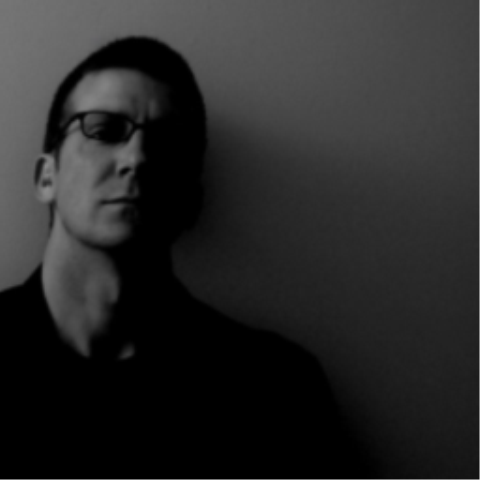
Brent Aikman was born and raised in Charleston, West Virginia. He tried to leave the mountains twice, but always found himself back in the heart Appalachia. At the age of 7 he was sent to play outdoors, and he never fully came back inside. “I only went out for a walk, and finally concluded to stay out till sundown, for going out, I found, was really going in.” – John Muir

Steve Alberts
Steve writes faith-based stories about “God’s grace throughout (his) life.” He dabbles with song lyric writing, is attempting to write a novel, and enjoys acting, photography, hunting, fishing, and woodworking.
Born in Charleston, West Virginia, raised and educated in Spencer, and having Bachelor and Master Degrees from WVU Steve says, “I now live in Tennessee and love it here, but West Virginia is my forever home…until I get to the other side.” Visit his blog, On Steve’s Mountain.
Jeremy Paden

Jeremy Dae Paden was born in Italy and raised in Latin America. He teaches Spanish at Transylvania University, He is published in Calíope, a critical journal of poetry of Spain and the Americas during the Renaissance and Baroque periods. He is also a member of the Affrilachian Poets and a collaborator in Rose Tree Writers.
Vernon Wildy, Jr.

Vernon was born in Richmond, Virginia on June 6, 1971. After being schooled in the Henrico County school system, he went to Virginia Tech in Blacksburg and received a degree in Industrial and Systems Engineering in 1994. After college, he returned to the Richmond area and entered the workforce and worked in the transportation industry, mostly in operations. During that time, Vernon discovered a poetry group in the area and began to read at open mic events around the city of Richmond. He also was able to have some of his works published in Fantasia magazine, a local literary magazine. While continuing with poetry events, he began taking graduate classes at Virginia Commonwealth University. He finished his Masters in Business Administration in 2010. He self-published his first novel, Nice Guys Finish Last, in 2011. Visit his blog, I Got Something to Say.
Rob Boone
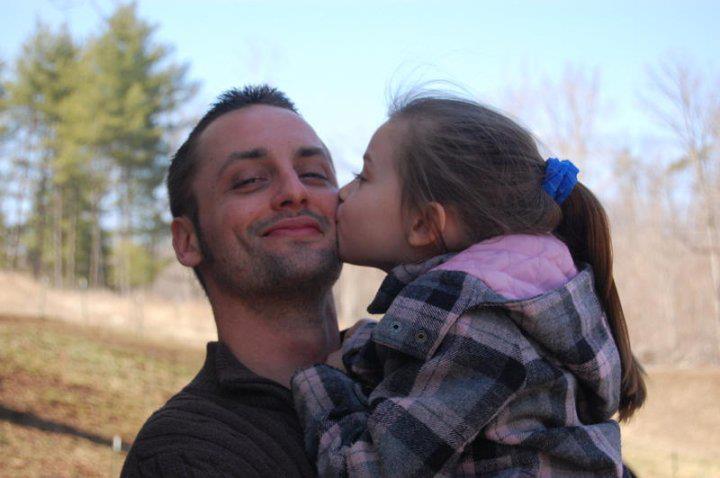
After a stint in the Navy, Rob began a nearly decade-long career in sales. Since relocating to St. Albans, West Virginia, from Tampa, he’s turned his sights to more creative pursuits: writing, acting, and designing.
When he’s not doting on his seven-year-old daughter, Jessica, he spends his time reading, writing, learning, and generally questioning the norms of the world at large.
Mary Lauren Weimer

Mary Lauren Weimer is a writer and professional blogger (www.my3littlebirdsblog.com) from Huntington, West Virginia. Her writing has appeared in Sleet Magazine, WV Living, and many popular websites. She writes daily for the parenting website Babble and is a regular contributor to Moonfrye.com.
She serves as a group leader for Education for Ministry, a four-year theological course of study through the Episcopal Church.
She is writing her first book which explores motherhood and identity.
Connect with her on Facebook or Twitter.
Susan Rountree
 Susan Byrum Rountree has been telling stories ever since she understood the power of the Show & Tell stool in kindergarten. Words have always held a sense of magic for her, and she parlayed that magic into a 35-year career of bending them this way and that. She is the author of Nags Headers, a regional history set on North Carolina’s Outer Banks, and In Mother Words, a collection of essays about family life. Born and raised in Scotland Neck, N.C., a tiny town in the Tar Heel State’s northeastern corner, she studied journalism at UNC Chapel Hill. She is now Director of Communications for St. Michael’s Episcopal Church, in Raleigh. The mother of two grown children and two very precocious granddogs, she has written for a number of national and regional newspapers and magazines. These days she blogs about the magic of daily life at Write Much.
Melanie Jones
 Melanie Bartol Jones lives in Raleigh, North Carolina, with her 3 girls, dog, and husband. Growing up, Melanie and her family moved every two years because of the Navy. This constant moving taught her how to notice details about people, places, and things, and mostly about herself. Constantly showing people who she is became an art and an opportunity to edit her story. Sports became a natural way for Melanie to fit in wherever she was, and she went on to play lacrosse at Brown University. Melanie’s life continues to be filled with details, physical activity, and change. One role she never imagined was becoming a preacher’s wife. But her husband is an Episcopal priest so the label stuck. On a daily basis she can be found volunteering for her kids’ school, reffing lacrosse, teaching pure barre, whipping up meals for 20, and realizing she may never be on The Today Show. Melanie’s writing focuses on the daily struggles of who she is going to be when she grows up and other faith questions. Check out her latest escapades and thoughts at Not Your Preacher’s Wife.

 Esse Diem