The national response to the post Saving Everyone’s Baby was, quite simply, astonishing. As a writer, a mother, and a child advocate, I woke up around 3:00 a.m. the morning I wrote the post, just staring into the darkness. Like many of us, I was struggling with how to process the verdict in the Casey Anthony trial. It was not so much that I thought it was the “right” or the “wrong” verdict — I have no idea. But I realized that no matter what the verdict had been, it would have given me no comfort.
 I got up a couple of hours later and wrote the post. I was trying to do what all writers do, use words to process emotional and intellectual issues. I was trying to work through my questions in a way that didn’t make me part of the pitchforks and torches crowd. I was in pain, but the writing helped me understand what was really making me feel so sad and conflicted.
I sent the post to my friend and fellow advocate, Jim McKay. I put it on Facebook. I also asked readers to share it, which I almost never do. What happened in the next few hours was a complete surprise to me — 4,000 plus people around the country began reading, sharing, and commenting on Saving Everyone’s Baby.
I want specifically to thank the following people and organizations for being part of this dialogue:
- Jim McKay, State Coordinator, Prevent Child Abuse West Virginia
- The blog and Facebook page for Prevent Child Abuse America
- The Facebook page for Prevent Child Abuse Florida
- Doug Imbrogno at WestVirginiaVille
- The good people at West Virginia Blue
- The Pearl Jam Community Forum
- The Baltimore Child Abuse Center
- Roseanne Barr (via Twitter)
- Triangle Mommies as part of Carolina Parent
- The Tri-County Children’s Advocacy Center in Alabama
- Charitable Colorado
- And all of the parents, grandparents, pediatricians, law enforcement officers, faith community leaders, and child advocates who opened their networks to this post and started their own conversations in their own forums, Facebook pages, blogs, and Twitter accounts about what our priorities should be right now.
I don’t know everyone by name and every place where things happened, but Jim McKay shared this as well: “Your post is getting great buzz within the child abuse prevention community. It has been re-posted by organizations and advocates in Washington state, Idaho, New Jersey and Oklahoma, as well as by some of our folks in Parkersburg and Princeton.”
While the vast majority of comments about the post were positive, there were serious frustrations expressed by some readers, and I honestly want to thank those people as well. One angry comment was by a woman who thought I was trying to tell her she did not have a right to be angry. I re-read the post and I don’t see that anywhere, but she helped me further articulate what I am saying. I am saying feel whatever you need to feel, but don’t stop with that and don’t be satisfied with that. Move on.
We don’t do a good job sometimes of moving on after something like this. We are great at going to a funeral. We know how to grieve. But we don’t seem to know very much about how to avoid the next opportunity to grieve.
That’s where the other voice of frustration came in, someone who was upset that people seem to only speak out and come together when a pretty white girl dies. And you know what? He or she (I’m not sure of the person’s identity) has a point. To some degree, we still seem to classify “values” of human beings, even children. I hope that is not really what the dynamic is. I tend to think it is something else, something also not good, but something else maybe we can do more to change.
Bear with me here, because this will be hard to say without pushing buttons. I think there sometimes is a gap between the group of people making up the largest percentage of “helpers” and the groups of people most in need of help. That would make sense. People with resources are able to help those without, it’s just basic math. But when the people with resources (time, money, connections, influence) don’t really understand what is happening in the worlds of those they are trying to help, a feeling of hopelessness can set in for everyone. I think this thing with a larger perceived responsiveness to a white child’s death is part of the dominant “helper group” feeling more connected to that kind of child and therefore feeling more of an opportunity possibly to get involved.
When you can’t break into someone else’s world, you don’t know how to help and you eventually learn how to care less. You focus on what you think you can fix. If this is true, then it has a chance of changing, and that should give us all some hope.
But where do we go from here?
I don’t have magical answers, just a lot of questions. But now because of you, I also have a spark of connection that may light a larger fire for change. Change is a hard word. I’ve been involved in prevention work for long enough now that I have a pretty good handle on the reality that an issue like child abuse and neglect is not going away any time soon. It’s not going away because poverty is not going away, sexual abuse and incest are not going away, domestic violence is not going away, unintended pregnancy is not going away, and alcoholism and drug abuse are not going away. The well-being of children is tied directly to the well-being of the family, and families will always face trouble. We see it a lot in my home state, the cycle of families becoming stuck in one place with these issues, unable to chart a new course without years of effort and yes, assistance.
Love and care for children is not political, or at least it should not be. But there was some questioning of what it meant when I said, “Frankly, I don’t give a damn” with regard to what parents “deserve.” It means that I believe if we are going to slay this monster, we have to look beyond our judgments of adults in the equation. We have to look at the children first and foremost, and drop this craziness about who is worthy of help. All children are worthy of help, and if their parents’ behavior gets in the way of focusing on the kids, I say just let it go. Our national policy conversations sometimes seem to just talk right past children as if they are not even there, or as if they are some afterthoughts to what makes this nation strong. If we put a roadblock on our ability to change outcomes for children because we don’t want to “reward” parents for “bad choices,” we are just fueling the next generation of dysfunction.
It boggles the mind.
I have set up an email specifically to manage conversations with people who want to write follow-up posts here on some of the many complex issues not addressed in the original post. The address is essediem@gmail.com, and I welcome anyone who wants to write on additional and connected issues. I do require transparency of authorship, so please be prepared to include a short bio about yourself if you plan to write for Esse Diem. While I have extended this opportunity to several specific people, I don’t know who if anyone will take me up on it.
I do know this blog strives to honor children and childhood. I do not write about the issue of child abuse and neglect very often, as I prefer to leave that to the professionals. But I am open to making some space here for continued discussion at the discretion of those who know more than I.
Until the next post, thank you all again for your time and your commitment to children. Some days it is hard to know what to do next, but I think getting up and knowing we need to do something other than grieve is a good first step.
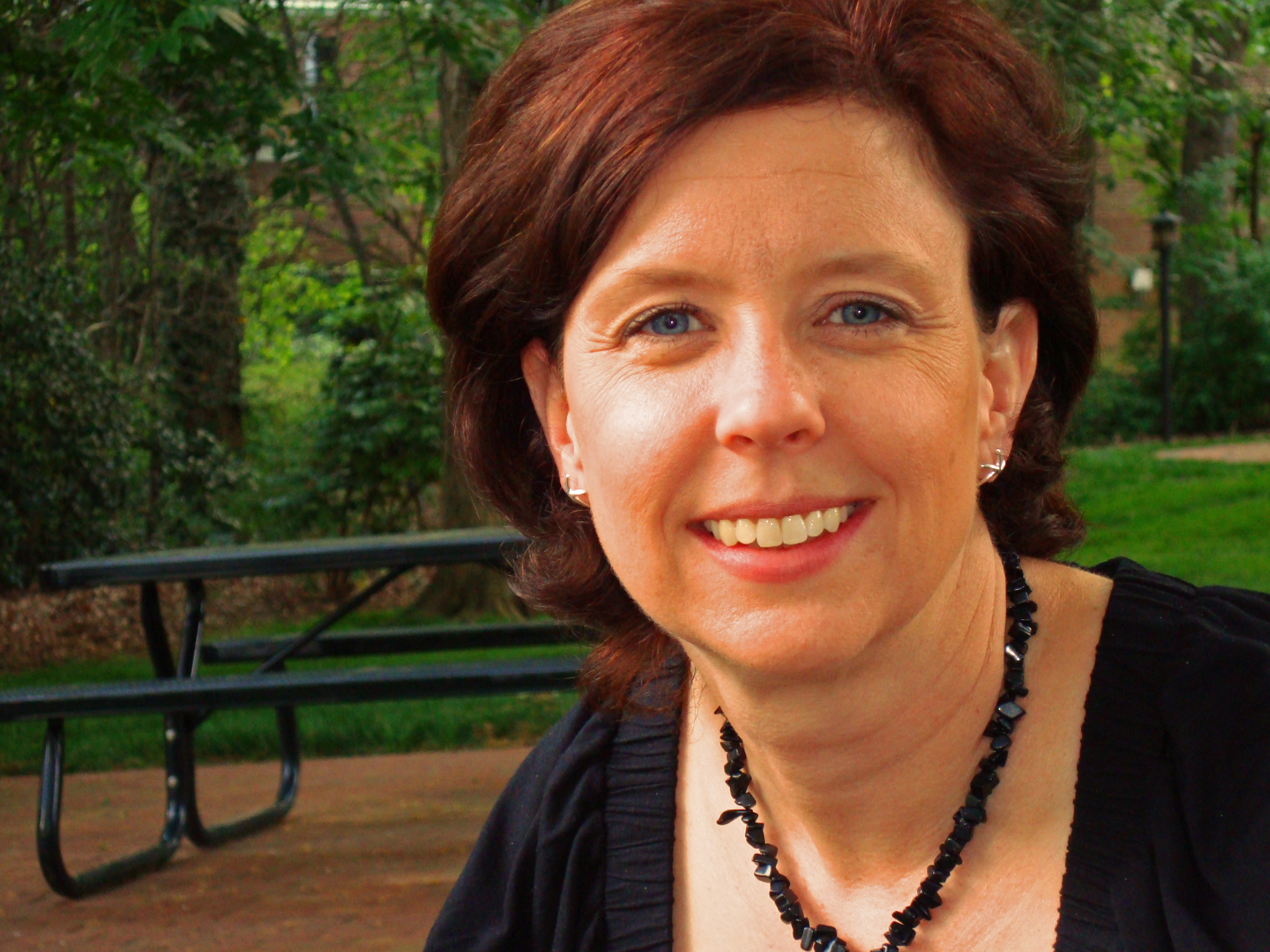 Margaret was born in the miasmal swamp of Charleston, South Carolina. She spent her childhood dividing time between the Holy City and Greenville, SC, the red dirt capital of the Upcountry, where she was raised and attended school. She says, “At Davidson College I learned how to be a better human being, and also received a B.A. in English.” She earned a J.D. from the University of North Carolina School of Law, went on to practice domestic law, and finally landed at I.B.M. Today she is a recovering lawyer residing in Chapel Hill with her wonderful husband Tim. Professionally she is the mother of a 13-year-old son, two grown stepdaughters in-residence, and three very spoiled dogs. Margaret’s essay, The Simons House, centers on the house where her family spent two weeks each summer.
 Esse Diem