The Essays on Childhood project recently introduced you to 6 of the 11 writers this year. Cue the drumroll…………here are writers 7-11!
It bears repeating that the entire collective is multi-talented, courageous, and impressive. We hope you will spend some time “getting to know” these fine people and anticipating the pleasure of reading their essays. Their stories and reflections will open your eyes and stir your heart with new ways of thinking about childhood experience and the way it shapes our adult lives.
Margaret Ward McClain
 Margaret was born in the miasmal swamp of Charleston, South Carolina. She spent her childhood dividing time between the Holy City and Greenville, SC, the red dirt capital of the Upcountry, where she was raised and attended school. She says, “At Davidson College I learned how to be a better human being, and also received a B.A. in English.” She earned a J.D. from the University of North Carolina School of Law, went on to practice domestic law, and finally landed at I.B.M. Today she is a recovering lawyer residing in Chapel Hill with her wonderful husband Tim. Professionally she is the mother of a 13-year-old son, two grown stepdaughters in-residence, and three very spoiled dogs. The working title of Margaret’s essay is, “The Simons House,” centering on the house where her family spent two weeks each summer.
Cathy Nelson Belk
 Cathy is an Ohio gal at heart, particularly so after walkabouts in various other, truly fabulous places. She’s taking advantage of this one wild and precious life by trying new things, which includes this first foray into creative writing (so be gentle). In addition to family and friends, Cathy loves her work supporting entrepreneurs and blogs about it on the Idea Exchange, the blog for Jump Start. Jump Start is a nationally recognized nonprofit organization transforming the economic impact of entrepreneurial ventures and the ecosystems supporting their growth.
Lisa Lewis Smith
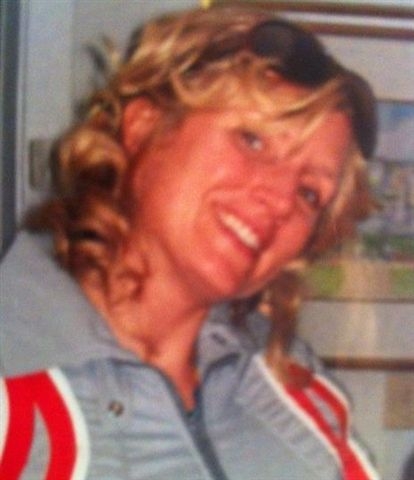 A native of Charleston, Lisa was born on June 9, 1973 (the day Secretariat won the Triple Crown). She received her B.S. in Biology and minor in Environmental Studies from the College of Charleston in South Carolina. She worked as a fisheries and wetland biologist in Washington, Alaska, Virginia, Pennsylvania, and West Virginia before transitioning in 2002 from environmental consulting to outreach and education. She currently serves on the board of the WV Land Trust and is an elder and lifelong member of Kanawha United Presbyterian Church. Lisa grew up spending her summers and weekends at her family home in Lewisburg, West Virginia where she developed an early connection with beautiful and unique outdoor environments.
Jennifer Irene Kayrouz
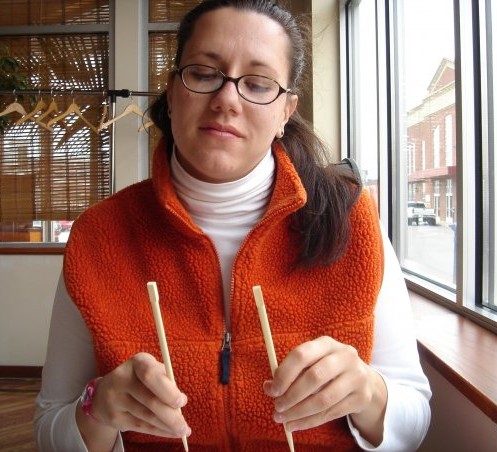 Jennifer moved to West Virginia just prior to starting 8th Grade. Some people thought that her family moved to West Virginia on a dare. That was over 22 years ago and she now claims she would give her left pinky toe to be considered a West Virginian by her hillbilly peers. She went off to college once or twice, but always happily landed right back in Charleston. She now works for the West Virginia School of Osteopathic Medicine and loves most minutes of it, getting to travel and constantly learning and being challenged. She lives in Kanawha City with her husband, who, while being 7 years younger is still decades more mature and light-years ahead of her in his intellectual and emotional capacity. They are delighted to be the parents of one precocious 4-year-old girl.
Christi Davis Somerville
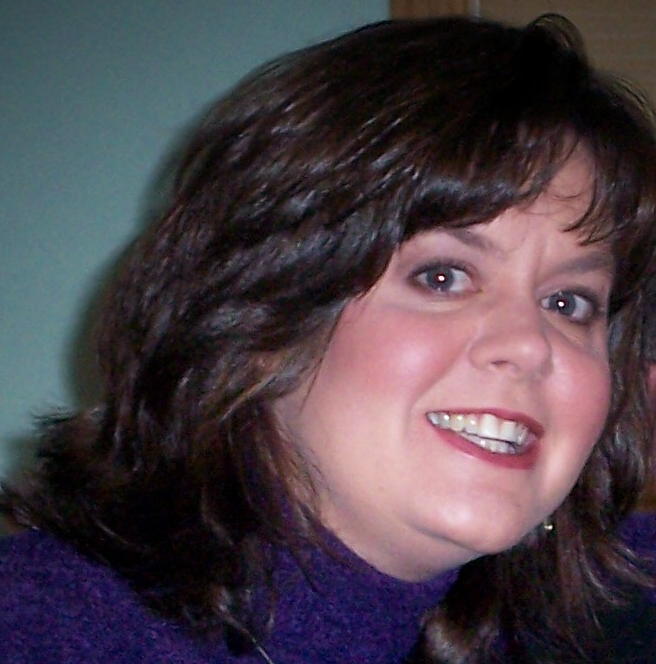 Christi grew up just outside the city limits of Charleston, West Virginia, in a middle class home with her parents and younger brother Bobby. She graduated George Washington High School, obtained a BA in Elementary Education from the University of Charleston and an MA in Special Education/Gifted from Marshall University. She now teaches first grade at CLE and her husband is the principal at Anne Bailey Elementary in St. Albans, West Virginia. They live in Cross Lanes with son Brett who is in the 4th grade. Christi’s essay will explore her experiences growing up next door to her grandmother.
 Esse Diem